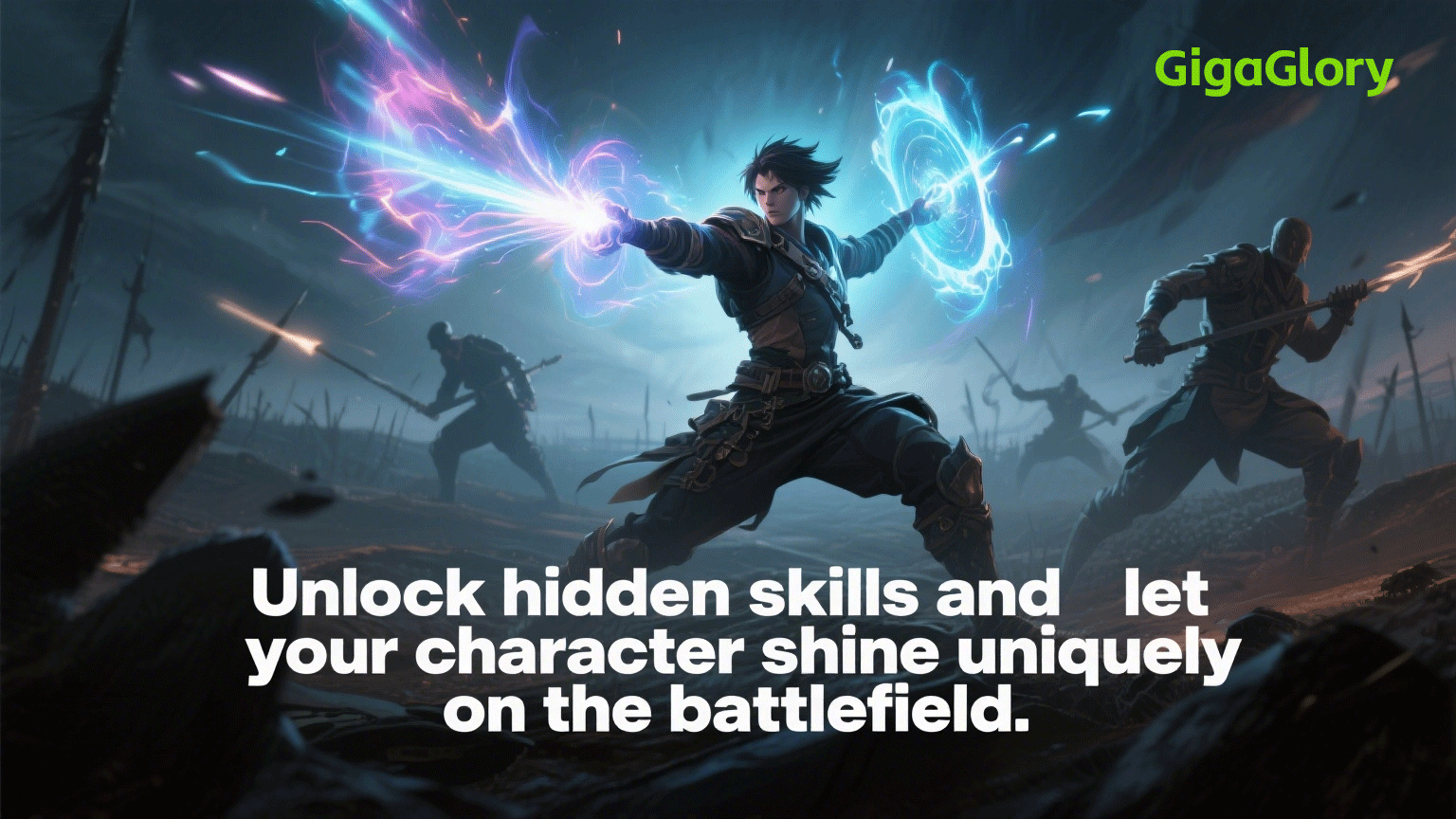
Unlocking Learning: How Educational PC Games are Revolutionizing Student Engagement
In an age where technology reigns supreme, educational PC games are stepping into the spotlight. They not only provide entertainment but also foster engagement and learning in a way traditional methods often fail to achieve. Let's dive into this thrilling world of interactive learning and explore how these games are transforming the educational landscape.
The Rise of Educational PC Games
Traditional teaching methods, while valuable, can sometimes fall short in captivating students. Enter educational PC games. These games leverage the allure of gaming to captivate young minds while imparting knowledge. They make learning an adventure, allowing students to engage in immersive experiences that boost retention and understanding.
Why Do Students Love Educational Games?
It's simple! Educational games tap into the intrinsic motivations of students. They offer:
- Interactivity: Students today crave hands-on experiences rather than passive consumerism of information.
- Real-time Feedback: Games provide immediate feedback, allowing for quick corrections and learning adjustments.
- Fun Factor: Learning becomes enjoyable; the arduous task of studying fades away when it feels like playing.
Impact on Learning Outcomes
Numerous studies indicate that students who engage with educational games tend to outperform their peers in traditional learning environments. Consider the impact of games in STEM fields, where students can experiment and explore concepts without the fear of failure. For instance, games like “Delta Force Single Player” not only teach strategy but hone critical thinking skills. Who knew warfare strategies could translate to academic success?
ASMR Cleaning Game: A Unique Approach
Among the growing genres is the ASMR cleaning game, which blends sensory experiences with structured tasks. This game type remains popular for its relaxation qualities, guiding players through meticulous cleaning processes. It simultaneously teaches organization and enhances focus—a delightful way to engage students while providing an auditory escape!
What Makes Educational Games Different?
Simply put, educational PC games are tailored to let students fall in love with learning. They differ from traditional learning methods in several key areas:
| Feature | Traditional Learning | Educational Games |
|---|---|---|
| Engagement Level | Medium | High |
| Learning Pace | Teacher-led | Self-directed |
| Feedback | Delayed | Immediate |
| Real-life Application | Abstract | Contextual |
Challenges to Integration
Despite their many benefits, educational games face hurdles in mainstream education. Limited resources, misconceptions about gaming, and a lack of teacher training can stymie their adoption. However, as awareness grows, institutions are gradually realizing the potential these games offer.
How to Implement Educational Games in Classrooms
Integrating educational PC games into the curriculum isn't a game-breaking task. Here are some practical steps:
- **Evaluate Game Options:** Choose games that align with learning objectives.
- **Pilot Programs:** Introduce games in small batches to gauge interest and effectiveness.
- **Engage Stakeholders:** Involve parents and educators in discussions on implementing these tools.
- **Regular Reviews:** Assess the impact of games on student engagement and learning outcomes regularly.
Conclusion: The Future of Learning
As we look towards the future, the integration of educational PC games seems less of a trend and more of a necessity. They cultivate curiosity, critical thinking, and collaboration among students. When done right, educational games can unlock a realm of possibilities for learners, making education an exciting journey. Embracing this approach can lead to a revolutionary change in how we perceive and engage with education. So, let’s champion the gaming revolution and encourage the next generation of learners to embark on this thrilling adventure!